जमशेदपुर में शहर के बीचोबीच एक बहुत बड़ा जुबिली पार्क है. उसके अलावा पूरे शहर में हर तरफ पेड़ ही पेड़ हैं, सड़कों के किनारे या किसी भी खाली जमीन पर…बहुत सारे पेड़ हैं. कुल मिलाकर रिलेटिवली काफी हरा भरा शहर है.
पर ऐसे पार्क क्या अररिया, खगड़िया, कटिहार टाइप शहरों में भी हैं? यह जुबिली पार्क जमशेदपुर में क्यों है?
क्योंकि वहां टाटा की फैक्ट्रीज हैं. अगर ऐसी फैक्ट्रीज दूसरे शहरों में भी होती तो वहां भी पार्क होते, पेड़ होते. उनके पास संसाधन होते जिससे वे अपने वातावरण को, पर्यावरण को साफ सुथरा रख सकते. इंडस्ट्रीज संसाधनों का दोहन नहीं करतीं, संसाधनों का एफिशिएंट उपयोग करती हैं. वे नए संसाधन क्रिएट करती हैं, पर्यावरण से लोड कम करती हैं. उतने ही साधन पहले से कई गुना लोगों का जीवन सस्टेन करते हैं.
स्कूलों में माल्थस का सिद्धांत आज भी पढ़ाया जाता है जिसमें यह वार्निंग दी जाती है कि दुनिया की पॉपुलेशन जिस गति से बढ़ती है, उस गति से संसाधन और उत्पादन नहीं बढ़ सकते. लेकिन सवा दो सौ साल पहले 1798 में जब माल्थस ने पॉपुलेशन थ्योरी पर अपनी पुस्तक प्रकाशित की थी तब से आजतक दुनिया की पॉपुलेशन आठ गुना बढ़ी है. और आज हर पैरामीटर पर हमारे पास प्रति व्यक्ति पहले से कई गुना अधिक संसाधन उपलब्ध हैं.
क्योंकि मनुष्य का वास्तविक संसाधन नॉलेज है. और नॉलेज के विकास की कोई सीमा नहीं है. मानवता के इतिहास में पहली बार हमारे पास आवश्यकता से अधिक भोजन उपलब्ध है. प्राकृतिक आपदाओं से जितने लोग दो सौ साल पहले मरा करते थे, आज उसके मुकाबले 1% से भी कम लोग मरते हैं. क्योंकि टेक्नोलॉजी के कारण हम बाढ़ या तूफान को प्रेडिक्ट कर सकते हैं. टेक्नोलॉजी के कारण आपदा प्रबंधन की हमारी क्षमता में कई गुना वृद्धि हुई है. पर्यावरण में हमेशा परिवर्तन आते रहते हैं, पर आज हम उन परिवर्तनों के अनुसार रेस्पोंड करने में सक्षम हैं.
पर्यावरण को कोई फर्क नहीं पड़ता कि उनमें कितना अंतर आ रहा है…वह हर हालत में पर्यावरण है. उसमें मनुष्य जीवित नहीं रहेगा तो अन्य कोई प्राणी जीवित रहेंगे. पर बदलते हुए पर्यावरण में हमारे जीवित रहने की क्षमता टेक्नोलॉजी पर निर्भर है, इंडस्ट्री पर निर्भर है.
डॉ राजीव मिश्रा यूँ तो पेशे से चिकित्सक हैं पर शौकिया लेखन से किशोरावस्था से ही जुड़े हैं. इन्होंने भारतीय सेना की मेडिकल कोर में भी सेवाएँ दी हैं और मेजर के पद से सेवानिवृत हुए. साथ ही जमशेदपुर में अनेक समाजसेवी संस्थाओं से जुड़े रहे. उन्होंने चिकित्सा के अलावा साहित्य, राजनीति और इतिहास के अध्ययन में अपनी रुचि बनाई रखी और सोशल मीडिया के आगमन ने उनकी सृजनात्मकता को नई दिशा दी. अपनी विचार यात्रा में उन्होंने वामपंथ से शुरुआत करके गाँधीवाद और फिर राष्ट्रवाद तक की दूरी तय की है, और सोशल मीडिया में राष्ट्रवादी लेखकों के बीच एक परिचित नाम हैं. “विषैला वामपंथ” लेखक की पहली प्रकाशित कृति है. वर्तमान में लेखक यू.के में नेशनल हेल्थ सर्विसेज में चिकित्सक के रूप में कार्यरत हैं.
अगर न्यूयॉर्क की तुलना करनी हो तो भारत के किसी शहर से करना अनुचित होगा. अमेरिका पिछले दो सौ वर्षों से जिस प्रक्रिया से निकला है, वह हमारे यहां सिर्फ पिछले दस वर्षों में शुरू हुई है. और इन दस वर्षों में हमने जो गति और दिशा पकड़ी है वह प्रशंसनीय है लेकिन वह दूरी तय नहीं हुई है जो हमारा लक्ष्य है.
न्यूयॉर्क की उपलब्धि को समझना है तो उसके लिए सही मानक लंदन या पेरिस जैसे शहर हैं जो तब ऑलरेडी दुनिया के सबसे सम्पन्न और विकसित शहर थे और वैश्विक शक्तियों के केंद्र थे जब न्यूयॉर्क एक बसता हुआ गांव था. जब 1900 के आसपास ब्रुकलिन ब्रिज बन रहा था तो वह पूरे शहर की स्काईलाइन को डोमिनेट करता था. हां, बिल्डिंग नहीं, ब्रिज. 1911 में बनी दुनिया की सबसे ऊंची बिल्डिंग वूलवर्थ बिल्डिंग पचास मंजिला थी और एक अजूबा गिनी जाती थी. आज जब आप वॉल स्ट्रीट में चलते हैं तो आपको वह बिल्डिंग खोजनी पड़ती है.
लेकिन आप इसकी तुलना लंदन से करेंगे तो लंदन एक गांव लगता है. 2000 के पहले लंदन की बहुमंजिला बिल्डिंग्स के नामपर चार बैंक्स की बिल्डिंग थीं कैनरी व्हार्फ में. सेंट्रल लंदन में सबसे इंप्रेसिव बिल्डिंग्स तब भी वेस्टमिंस्टर, बिग बेन और सेंट पॉल कैथेड्रल थी…कुछ सदी पुरानी. आज लंदन के पास शार्ड है, लेकिन यह एक ऐसी बिल्डिंग है जो शहर के चरित्र से अलग है…लगता है किसी ने अमेरिका से कॉम्प्लेक्स में बनाई है कि हम भी ऊंची बिल्डिंग बना सकते हैं.
ऊंची बिल्डिंग्स बनाना कोई कॉम्पेटिटिव स्पोर्ट्स नहीं है. आप ऊंची बिल्डिंग तब बनाते हो जब आपको इसकी जरूरत होती है. जब शहर में इतनी इकोनॉमिक एक्टिविटी होती है कि शहर उनको अफोर्ड कर सकता है..जिनके लिए कमर्शियल स्पेस चाहिए होता है. लंदन या पेरिस की इकोनॉमिक एक्टिविटी ही उतनी नहीं है कि यहां वैसी बिल्डिंग्स बनें.
और इकोनॉमिक एक्टिविटी होगी कहां से? इकोनॉमिक एक्टिविटी इकोनॉमिक फ्रीडम का परिणाम है. और वह इंग्लैंड अपने नागरिकों को देने से रहा. यहां का एलिट क्लास दुष्ट है और सामान्य पढ़ा लिखा क्लास मूर्ख है. दोनों ने मिलकर यहां के वर्किंग क्लास को आलसी बना रखा है. वह चाहता है कि लोग गरीब रहें, सरकार पर आश्रित रहें और समाज में उनका रिलेटिव प्राइम पोजीशन बना रहे. अमेरिका में गुजरते हुए पहली फीलिंग आई कि अमेरिका काम पर है… सुबह से लोग काम कर रहे हैं, देर रात तक काम कर रहे हैं. अब भी 6th एवेन्यू में एक स्काईस्क्रेपर बन रहा है, बित्ता भर जमीन पर.. और रात भर काम चल रहा है. जबकि इंग्लैंड में आकर यह फीलिंग आती है कि देश वेलफेयर पर है. जो काम पर हैं उनकी भी यह भाव भंगिमा है जैसे कि वेलफेयर पर हों.
मैं अपने बेटे को कुछ समय से कह रहा हूं कि इंग्लैंड से निकलो. अगर तुमने यहां अधिक दिन काम कर लिया ना तो आदतें हो जाएंगी खराब. फिर तुम एक कॉम्पेटिटीव माहौल में काम करने लायक नहीं रहोगे. तो जल्दी से निकलो…यह जहाज डूब रहा है. उसे मैं कहता हूं कि टिकट मैं देता हूं, जाओ अमेरिका को टटोल कर आओ… संभावनाएं तलाश कर देखो..
आज मैंने उसको वर्ल्ड ट्रेड सेंटर के टॉप फ्लोर से वीडियो कॉल लगाया.. मैनहट्टन को देखो. इसे देख कर ही लगता है कि इस शहर के पास एक एंबीशन है. यह ऊपर उठना चाहता है, आकाश चूमना चाहता है. और इंग्लैंड वह जगह है जहां एंबीशंस खुदकुशी करने जाती हैं.. (क्रमशः)
डॉ राजीव मिश्रा यूँ तो पेशे से चिकित्सक हैं पर शौकिया लेखन से किशोरावस्था से ही जुड़े हैं. इन्होंने भारतीय सेना की मेडिकल कोर में भी सेवाएँ दी हैं और मेजर के पद से सेवानिवृत हुए. साथ ही जमशेदपुर में अनेक समाजसेवी संस्थाओं से जुड़े रहे. उन्होंने चिकित्सा के अलावा साहित्य, राजनीति और इतिहास के अध्ययन में अपनी रुचि बनाई रखी और सोशल मीडिया के आगमन ने उनकी सृजनात्मकता को नई दिशा दी. अपनी विचार यात्रा में उन्होंने वामपंथ से शुरुआत करके गाँधीवाद और फिर राष्ट्रवाद तक की दूरी तय की है, और सोशल मीडिया में राष्ट्रवादी लेखकों के बीच एक परिचित नाम हैं. “विषैला वामपंथ” लेखक की पहली प्रकाशित कृति है. वर्तमान में लेखक यू.के में नेशनल हेल्थ सर्विसेज में चिकित्सक के रूप में कार्यरत हैं.
वैसे तो मैने अपने जीवन का एक चौथाई से अधिक पश्चिम में रहकर काटा है, लंदन में सात साल रहा हूं, और यूरोप के ज्यादातर प्रमुख शहर देख चुका हूं…लेकिन न्यूयॉर्क मुझे इतना ओवरव्हेलमिंग लगेगा यह अपेक्षा नहीं थी. यहां आकर स्काईस्क्रैपर शब्द का भाव समझ में आया.
मैनहट्टन में इमारतें कितनी ऊंची हैं यह फीट और मीटर में मापने और मंजिलें गिनने की बात नहीं है. यह एक फीलिंग है जो उन इमारतों के बीच खड़े होकर समझ में आती है. आप इस शहर को सामने से नहीं देखते…गर्दन मोच आ जाए इस हद तक गर्दन को मोड़ कर ऊपर देखते हैं. और शहरों में लैंडमार्क होते हैं, मैनहट्टन में स्काईमार्क्स हैं. यहां रास्ता भूलना आसान नहीं है क्योंकि आपको कहां और किधर जाना है यह आकाश में दिखाई देता है.
मैनहट्टन जमीन का एक बहुत ही छोटा सा टुकड़ा है. मैं श्योर हूं, मेरी लिस्ट में ऐसे लोग होंगे जिनके दादा परदादा के पास उससे ज्यादा क्षेत्रफल में खेत होंगे. लेकिन उतनी जमीन पर जितनी सम्पदा खड़ी है, उतने में दुनिया के कई देश तीन बार खरीद कर बेच दिए जा सकते होंगे. मैनहट्टन को देखकर यह समझ में आता है कि मनुष्य अपने परिश्रम से, उद्यम से, कल्पना से क्या कर सकता है. आप जब एंपायर स्टेट बिल्डिंग की छत से नीचे देखते हैं तो यह सोचना आसान नहीं होता है कि इतना सबकुछ जो इस धरती के इस छोटे से टुकड़े पर बना हुआ है वह सब इसी धरती से निकला है. और फिर आप यह सोचते हैं कि इनमें से अधिकांश एक सदी पहले यहां नहीं हुआ करता था. जिस समय यूरोप में देश एक दूसरे का खून बहा रहे थे, एक दूसरे से अमानवीय कृत्य कर रहे थे…एशिया में देश दासता में बंधे थे और यह सोचना एक सामाजिक उपलब्धि थी कि स्वतंत्रता जीवन की आवश्यक शर्त है… तो अमेरिका यह सब क्रिएट कर रहा था.
पेरिस में एफिल टॉवर जब 1890 में बना तब उसके पहले धरती पर सबसे ऊंची मानव निर्मित चीज थी गीजा का पिरामिड, जो तीन हजार साल पहले बना था. यानि तीन हजार वर्षों में धरा पर निर्माण की मानव क्षमता का कोई विकास नहीं हुआ बल्कि ह्रास ही हुआ था. वह कौन सी विचारधाराएं हैं जिन्होंने पिछले दो सहस्त्राब्दियों में मानव सभ्यता के विकास को न सिर्फ बाधित किया बल्कि पीछे ले गए, यह सोचने विचारने का काम आप पर छोड़ता हूं. लेकिन अमेरिका ने दो सदियों में मानव सभ्यता के दो हजार वर्षों के गतिरोध की न सिर्फ भरपाई कर दी, बल्कि उसे लेकर अंतरिक्ष में चले गए. जो बातें कल्पना की सीमाओं से परे थी वहां वास्तविकता की उड़ान भरी.
और यह संभव हुआ सिर्फ एक शब्द से… स्वतंत्रता… लिबर्टी…यह विचार अमेरिकी मानस में बहुत बहुत गहरे रचा बसा है. और समाजवाद, वोकिज्म, नस्लवाद और तमाम तरह के दूसरे सामूहिक पागलपनों के बावजूद यह विचार somehow, आज भी इस समाज में जीवित है और यह अमेरिकी समाज को जीवित और स्पंदित किए हुए है.. (क्रमशः)
डॉ राजीव मिश्रा यूँ तो पेशे से चिकित्सक हैं पर शौकिया लेखन से किशोरावस्था से ही जुड़े हैं. इन्होंने भारतीय सेना की मेडिकल कोर में भी सेवाएँ दी हैं और मेजर के पद से सेवानिवृत हुए. साथ ही जमशेदपुर में अनेक समाजसेवी संस्थाओं से जुड़े रहे. उन्होंने चिकित्सा के अलावा साहित्य, राजनीति और इतिहास के अध्ययन में अपनी रुचि बनाई रखी और सोशल मीडिया के आगमन ने उनकी सृजनात्मकता को नई दिशा दी. अपनी विचार यात्रा में उन्होंने वामपंथ से शुरुआत करके गाँधीवाद और फिर राष्ट्रवाद तक की दूरी तय की है, और सोशल मीडिया में राष्ट्रवादी लेखकों के बीच एक परिचित नाम हैं. “विषैला वामपंथ” लेखक की पहली प्रकाशित कृति है. वर्तमान में लेखक यू.के में नेशनल हेल्थ सर्विसेज में चिकित्सक के रूप में कार्यरत हैं.
इस बार यूएस यात्रा के दौरान दो महत्वपूर्ण चीजों को देखने का मौका मिला. एक थी न्यूयॉर्क सिटी में मैनहट्टन की गगनचुंबी इमारतें, और दूसरा न्यूयॉर्क स्टेट में ही कैनेडा की सीमा पर स्थित नियाग्रा फॉल्स. मैनहट्टन की स्काईलाइन जहां मनुष्य की विलक्षण मेघा और क्षमता की कहानी कहती है, वहीं नियाग्रा फॉल्स का प्रवाह और वेग प्रकृति की असीमित शक्तियों का बखान करता है.
नियाग्रा फॉल्स के सामने खड़े होने पर पहला ख्याल यही आता है कि प्रकृति की विशालता और शक्ति के सामने मनुष्य कितना छुद्र है. लेकिन यदि आप नियाग्रा का इतिहास देखें तो वह भी मनुष्य की उपलब्धियों और क्षमताओं की ही कहानी कहता है.
नियाग्रा फॉल्स कुल मिला कर लगभग 12-15 हजार वर्ष ही पुराने हैं. लगभग इसी समय पिछले आइस एज के खत्म होने के बाद उत्तर अमेरिकी महाद्वीप में ग्लेशियर्स के पिघलने पर ग्रेट लेक्स की श्रृंखला बनी. इन्हीं में से दो झीलों, लेक आईरी और लेक ओंटारियो को जोड़ने वाली नियाग्रा नदी पर यह जलप्रपात स्थित है. लेकिन यह प्रपात हमेशा यहीं नहीं था. 12000 वर्ष पहले यह अपने वर्तमान स्थल से लगभग सात मील आगे था, लेकिन जल के वेग से चट्टानों के कटने के कारण यह खिसकते खिसकते यहां पहुंच गया और इसी गति से कटाव जारी रहे तो अगले कुछ हजार वर्षों में यह गायब होकर लेक आईरी में मिल जा सकता है.
जब 19वीं सदी में मनुष्य ने प्रपात की जलविद्युत उत्पादक क्षमता को पहचाना तो इसके ऊपर कई छोटे बड़े पावरप्लांट बन गए. पर तब उनसे सिर्फ DC करेंट का उत्पादन होता था जिसको सिर्फ सौ दोसौ मीटर ही ट्रांसमिट किया जा सकता था. तो परिणामस्वरूप अनेक छोटे बड़े उद्योग उस क्षेत्र में खुल गए जो इन पावरप्लांट की बिजली से चलते थे. उसके अलावा उसके आस पास की एकाध स्ट्रीट में बिजली की स्ट्रीट लाइट जलती थी. लेकिन तब इन उद्योगों के कारण नियाग्रा फॉल के आस पास के स्थान की सुंदरता नष्ट हो गई, और कई पर्यावरणवादियों ने नियाग्रा फॉल की सुंदरता बचाने के लिए नियाग्रा बचाओ आंदोलन शुरू किया. लेकिन यह सुंदरता उन उद्योगधंधों और असह्य आर्थिक हानि की ही कीमत पर संभव थी.
आज नियाग्रा फॉल का क्षेत्र अदभुत प्राकृतिक सुंदरता का क्षेत्र है जहां पर्यावरण अत्यंत संरक्षित है. लेकिन यह किन्हीं पर्यावरणवादियों के झंडों और नारों से नहीं संभव हुआ. यह उपलब्धि है एक ब्रिलियंट साइंटिस्ट और एक साहसी दूरदर्शी उद्योगपति की पार्टनरशिप की.
महान वैज्ञानिक निकोला टेस्ला ने 1887 में AC करेंट मोटर का आविष्कार किया, और उनके साथ मिलकर एक उद्योगपति जॉर्ज वेस्टिंगहाउस ने वेस्टिंगहाउस इलेक्ट्रिक कंपनी बनाकर नियाग्रा फॉल्स पर बिजली बनाने का प्रोजेक्ट शुरू किया. AC करेंट का DC करेंट के ऊपर यह एडवांटेज था कि दूर दूर तक इसका ट्रांसमिशन संभव था. परिणामस्वरूप नियाग्रा फॉल क्षेत्र के ऊपर स्थापित सभी उद्योग धंधों को उस जगह से दूर हटकर लगाना संभव हुआ और वह स्थान शुद्ध रूप से एक प्राकृतिक आकर्षण के रूप में विकसित हो सका. 1901 में वहां से बीस मील दूर बफैलो शहर में पैन अमेरिकन व्यापार मेला लगा जो नियाग्रा फॉल में उत्पादित बिजली से जगमगा उठा. पूरे विश्व ने इस महान टेक्नोलॉजिकल उपलब्धि को देखा, पहचाना, स्वीकार किया और देखते देखते दुनिया बदल गई.
नियाग्रा फॉल की सुंदरता और संरक्षण सिर्फ अच्छी नीयत और कवि हृदय भावुकता का परिणाम नहीं है. वह शुद्ध रूप से मानवीय तकनीकी क्षमता, उद्यमिता और साहस का परिणाम है. यदि आप प्रकृति को अछूता छोड़ देंगे तो प्रकृति का बदलना नहीं रुक जाता. नियाग्रा फॉल के कटाव और क्षरण (erosion) की दर करीब 4 फीट प्रति वर्ष हुआ करती थी. 1969 में यूएस आर्मी के इंजीनियर्स ने एक डैम बनाकर नियाग्रा फॉल के अमेरिकी भाग में जलप्रवाह को छह महीने के लिए रोके रखा. इस दौरान नदी की तली में चट्टानों को करीने से लगाया गया और नदी के बेड को रिकंस्ट्रक्ट किया गया जिसके बाद कटाव की दर घट कर कोई चार इंच प्रति वर्ष हो गई. प्रपात के पहले पड़ने वाले गोट आइलैंड और थ्री सिस्टर्स आइलैंड्स को भी रिस्ट्रक्चर किया गया और कटाव को रोककर इस क्षेत्र को एक सुरक्षित टूरिस्ट आकर्षण बना दिया गया. आज वहां प्रकृति भी अधिक सुंदर और संरक्षित है और मनुष्य के लिए अधिक सुगम्य है.
नियाग्रा फॉल का यह कायाकल्प संभव हुआ तो सिर्फ इसलिए कि निकोला टेस्ला की खोज ने संसाधनों का अधिक एफिशिएंट उपयोग खोजा, जो उस फॉल पर स्थापित उद्योगों से कई गुना अधिक प्रॉफिटेबल था. साथ ही फॉल की सुंदरता भी एक निवेश ही है क्योंकि उस क्षेत्र का सबसे लाभकारी उद्यम टूरिज्म है जो अपने आप में एक उद्योग ही है. और यह उद्योग भी इसलिए संभव है क्योंकि ट्रांसपोर्ट में नई तकनीक के विकास से लाखों टूरिस्ट्स का वहां पहुंचना अधिक सुगम हो गया है. आज नियाग्रा फॉल इसलिए सुंदर है क्योंकि उसकी सुंदरता को मेंटेन करना फायदे का सौदा है.
बात आपको भ्रामक और विरोधाभासी लगेगी, लेकिन तकनीक और उद्योग प्रकृति के सबसे अच्छे मित्र हैं. तकनीक संसाधनों का सबसे एफिशिएंट उपयोग संभव बनाती है जिससे कम से कम संसाधनों के प्रयोग से अधिकतम उत्पादन संभव होता है. साथ ही उद्योगों की उत्पादकता प्रकृति के संरक्षण के लिए संसाधन उपलब्ध कराती है. दूसरी ओर पर्यावरणवादियों के झंडे डंडे पर्यावरण के सबसे बड़े शत्रु हैं क्योंकि वे उद्योगों और तकनीक की पूरी क्षमता विकसित नहीं होने देते.
(चित्र में : नियाग्रा फॉल के शीर्ष पर स्थापित निकोला टेस्ला की प्रतिमा)
डॉ राजीव मिश्रा यूँ तो पेशे से चिकित्सक हैं पर शौकिया लेखन से किशोरावस्था से ही जुड़े हैं. इन्होंने भारतीय सेना की मेडिकल कोर में भी सेवाएँ दी हैं और मेजर के पद से सेवानिवृत हुए. साथ ही जमशेदपुर में अनेक समाजसेवी संस्थाओं से जुड़े रहे. उन्होंने चिकित्सा के अलावा साहित्य, राजनीति और इतिहास के अध्ययन में अपनी रुचि बनाई रखी और सोशल मीडिया के आगमन ने उनकी सृजनात्मकता को नई दिशा दी. अपनी विचार यात्रा में उन्होंने वामपंथ से शुरुआत करके गाँधीवाद और फिर राष्ट्रवाद तक की दूरी तय की है, और सोशल मीडिया में राष्ट्रवादी लेखकों के बीच एक परिचित नाम हैं. “विषैला वामपंथ” लेखक की पहली प्रकाशित कृति है. वर्तमान में लेखक यू.के में नेशनल हेल्थ सर्विसेज में चिकित्सक के रूप में कार्यरत हैं.
कई मित्रों ने सती पर और जानकारी माँगी। सती के विषय के बहुत बहुत कुछ पहले से उपलब्ध है। फिर भी कुछ जानकारी और समझें। सबसे पहले कुछ कॉन्सेप्ट समझने चाहिए।
-केसरिया- जब किसी राज्य पर आक्रमण होता और अपनी क्षत्राणियों को जौहर करने का निश्चय होता तो पुरुष सर पर केसरिया पगड़ी पहन युद्धभूमि में जाते- मरने मारने।
-जौहर- अपने सतीत्व की रक्षा हेतु यदि स्त्री अग्निस्नान करती तो उसे जौहर कहते थे। सामूहिक रूप से यह अग्निस्नान स्त्रियाँ करती थी।
-केसरिया और जौहर को सामूहिक रूप से साका कहा जाता है।
– सती का अर्थ है पति के शव के साथ अंत्येष्टि में यदि पत्नी स्वेच्छा से बैठ अग्निसात कर ले तो उसे सती कहते है। सती शब्द की कदाचित् उत्पत्ति माँ सती से जुड़ी है जिन्होंने प्रभु शिवशंभु के अपमान पर अपने पिता की यज्ञ वेदी में अग्नि को वरण किया था।
हालाँकि यहाँ माँ सती ने आत्मदाह तब किया जब उनके पति का अपमान हुआ – ये बात बाक़ी सती के कॉन्सेप्ट से भिन्न है। सती का उल्लेख रामायण में मिलता है जब मेघनाद पत्नी सुलोचना अपने पति संग सती होती है। रावण वध के बाद मंदोदरी का सती होना कही नहीं मिलता हालाँकि रामायण के अनेक स्वरूप मंदोदरी का विवाह विभीषण से होना बताते है।
राजा दशरथ की मृत्यु उपरांत भी तीनों रानियो में से कोई सती नहीं होती। महाभारत में पांडु की मृत्यु के बाद माद्रि का सती होना उल्लिखित है – माद्रि का सती होना कदाचित् इसलिए बताया गया है क्योंकि उनके चलते ही महाराजा पांडु ने अपना ब्रह्मचर्य नियम भंग किया और मृत्यु को प्राप्त हुए। प्रभु कृष्ण के अपने लोकगमन के बाद आठ पटरानियो ने सती होना स्वीकृत किया। तो एक बात क्लियर है- अब तक सती कोई प्रथा नहीं थी-एक वोलंटरी प्रोसेस थी जो कोई विधवा अपनी इच्छा से चुन सकती थी।
सती को लेके वेद और शेष पौराणिक ग्रंथों में अनेक सूत्र है। मसलन- सती होने वाली स्त्री अपने मृत पति के सब पाप धो सकती है। बृहस्पति स्मृति के अनुसार सती पूर्ण रूप से स्वच्छिक है- “स्त्री इच्छा” पर सब छोड़ा हुआ है। अब सती के संदर्भ में कुछ विदेशी यात्रियो के रोजनामचो की तरफ़ मुड़ते है।
चौथी शताब्दी के ग्रीक यात्री लोग सती के बारे में लिखते है कि ये कुछ सहस्र वर्षों पूर्व होती थी। फिर आठवीं शताब्दी तक अनेक उल्लेख है जहां दक्षिणी राजाओं की मृत्यु उपरांत उनकी रानी उनके साथ सती हो रही थी। केवल रजवाड़ों में ये परंपरा बताई गई अब तक। अल बेरूनी और इब्नबतूता ने भी सती पर लिखा है। बतूता ने जब पहली बार सती अपने सामने होते देखी तो वो अपने घोड़े से ख़ौफ़ के मारे गिर पड़ा।
दिल्ली सल्तनत के शुरू होने के बाद सुल्तानों और बादशाहों ने नियम बनाया कि सती लोकल जगह के सूबेदार की इजाज़त से ही होगी। पूर्ण रूप से प्रतिबंध नहीं लगाया। मध्यकाल में सती का उल्लेख उच्चकुल में बताया गया है। कुछ यात्रियों ने सती के बारे में जो देखा लिखा उनकी एक झलक देखिए-
१-एक इंट्रेस्टिंग क़िस्सा जो वर्नीअर ने लिखा है वो कुछ यूँ है। एक स्त्री का चक्कर अपनी मजहबि पड़ोसी से था जो पेशे से एक दर्ज़ी था और खँजरी बजाता था। स्त्री ने अपनी पति को विष देकर इस उम्मीद में मार दिया कि ये दर्ज़ी उसे अपना लेगा। लेकिन जब दर्ज़ी ने इनकार कर दिया तो स्त्री ने अपने ससुराल पक्ष के लोगों के सामने सती होने की इच्छा प्रकट की तो उन्होंने स्वीकृति दे दीं। सती होने के समय संगीत वादकों को चिता के पास संगीत बजाने के लिए बुलाया गया – उनमें ये दर्ज़ी भी खँजरी बजा रहा था। जब चिता में अग्नि पूर्ण रूप से प्रज्ज्वलित हो गयी तो उस स्त्री ने उस दर्ज़ी को पकड़ कर चिता में खींच लिया और दोनो भस्म हो गए।
२-टवर्नीर ने सती का एक और क़िस्सा लिखा है। शाहजहाँ काल में वो पटना के सूबेदार के साथ था जब एक बाईस साल की युवती उस से अपने पति के शव के साथ सती होने की अनुमति माँगने आयी। सूबेदार ने उसकी आयु और सुंदरता देख कर उसको लाख समझाया और पूछा क्या उसी युवती को अग्नि से भय लगता है। युवती ने इनकार किया और कहा यदि शंका हो तो मशाल मँगवा लो। कुछ सिपहसलार /अमीर /नोबल लोगों ने युवती का टेस्ट लेने की ठानी और मशाल मंगाई। युवती ने बिना उफ़्फ़ किए, बिना कोई दर्द के अपना हाथ- कोहनी तक मशाल की आग में डाल दिया और उसका हाथ तुरंत जल गया। सूबेदार ने तुरंत उसे वहाँ से ले जाने का आदेश दिया।
३-बर्नियर आदि विदेशी यात्रियों ने मध्यकालीन भारत में सती और जौहर के अनेक वृतांत बतायें है। सती को ये लोग बड़े अचरज से लिखते है- कुछ सती के क़िस्से ज़ोर ज़बरज़स्ती वाले भी लिखें है। किंतु बर्नियर ने एक कहानी ऐसी लिखी है जिस में वो अपनी श्रद्धा और सम्मान भारतीय क्षत्राणी के प्रति बयान करता है। बर्नियर दारा और औरंगज़ेब के युद्ध का वर्णन लिखते बताता है- शाहजहाँ और दारा के ओर से युद्ध करने गये महाराजा जसवंत सिंह को औरंगज़ेब की फ़ौज से काफ़ी जनमाल आदि की हानि हुई। इसके चलते महाराज अपनी शेष सेना को ले वापस अपने क़िले में लौटने लगे। ये देख महारानी ने क़िले के दरवाज़े बंद करवा दिए और महाराजा को अंदर आने से रोक दिया। राणा वंश की महारानी के अनुसार कोई भी महाराणा का दामाद युद्ध से ऐसे पलायन कर वापस नहीं आएगा। महारानी ने अग्निस्नान की पूर्ण तैयारी की और महाराजा को अपने निकट नहीं आने दिया। महारानी को समझाने उनकी माँ भी आयी किंतु महारानी टस से मस नहीं हुई। बर्नियर इस मौक़े पर मौजूद था और वो अपनी किताब में लिखता है- इस देश की नारी की आत्मा की थाह लेना अत्यंत कठिन कार्य है। यें ना केवल जौहर और सती कर सकती है बल्कि अपने वंश के सम्मान , अपनी प्राचीन परंपराओं के सम्मान के लिए ऐसी अडिग भी हो सकती है।
४-टवर्नीर ने सती का एक क़िस्सा अपनी पुस्तक में लिखा है। वेल्लोर के राम राजा को जब बीजापुर बीदर गोलकुंडा और अहमदनगर की संजुक्त फ़ौज ने तालिकोटा के युद्ध में हरा कर हत्या कर दी तो उनके कुल की ग्यारह स्त्रीयों ने उनके अग्नि संस्कार के साथ सती होने का निश्चय किया। बीजापुर के सिपहसलार ने लाख प्रलोभन दिए किंतु ये स्त्रीया। नहीं मानी । उसने इन लेडीज़ को एक कमरे में बंद करवा दिया। इन्होंने चेतावनी दी – तीन घंटो में वो जीवित नहीं रहेंगी। इस चेतावनी की खिल्ली उड़ते हुए उन्हें कमरे में बंद कर दिया गया। तीन घंटे बाद जब कमरा खोला गया तो सब लेडीज़ मृत भूमि पर पड़ी थी। पता नहीं चला इनकी मृत्यु कैसे हुई।
५-बेर्नीर ने शाहजहाँ काल में सती विषय पर लिखा है- कई यात्रीयो ने जो सती के वृतांत लिखे है वो काफ़ी हद तक बढ़ा चढ़ा कर लिखे गए है। सती होने वाली स्त्री के आँकड़े हक़ीक़त में कम है। भारत में चूँकि राज्य मोमिनो का है- वो इस प्रैक्टिस को होने नहीं देते है। किसी रियासत या सूबे में जहां मोमिन राज्य है- किसी स्त्री को सती होने की इजाज़त नहीं है जब तक सूबेदार या गवर्नर इजाज़त ना दे दें। सूबेदार पूरी कोशिश करता है कि सती होने वाली स्त्री उसके दिए लुभावने वादों में आ जा जावे। कई बार ये गवर्नर ऐसी स्त्रीयो को अपने हरम में भी भेज देता है। ऐसी रियासत जहां किसी राजा का राज्य है- किसी मजहबि गवर्नर का राज्य नहीं है- वहाँ सती होने के केस ज़्यादा है । वर्नीअर ने कुछ क़िस्से ऐसे भी बताए है जिस में उसने स्वयं सती होने वाली स्त्री को रोका और वो अपने बच्चों की ख़ातिर मान भी गयी। ये तीन तिलंगे- टवर्नीर बेर्नीर और मनुची युरप के थे और जिस कालखंड में थे- युरप में विच हंटिंग के नाम पर स्त्रीयो को जलाने की प्रथा बहुत आम थी। भारत भ्रमण में इन तीनो ने सती प्रथा को देखा और तीनो ने कुछ क़िस्से लिखे भी है। सोचने वाली बात ये है जो लोग अपने देश में विच हंटिंग के नाम पर स्त्रीयो को जबरजसती जीवित जलता देख कर आए हो वो भारत में सती देख कर क्यूँ शॉक में आएँगे। उत्तर है- इन तीनो ने जो उदाहरण देखे और लिखे उनमें एक पैटर्न और बात बहुत साफ़ है- सती होने वाली अनेक स्त्रीया स्वयं insist कर रही थी- मनुची और वर्नीअर ने दो लेडीज़ को रोका उन्हें उनके छोटे बच्चों का वास्ता दिया और वो दो लेडीज़ सती नहीं हुई।
मध्यक़ालीन भारत में एक स्त्री को बचपन से पति के प्रति प्रेम और निष्ठा संस्कार में मिलते थे- ये सिखाया जाता था पति के बिना संसार और जीवन व्यर्थ है। कदाचित ये एक मुख्य कारण रहा होगा सती के प्रति कई विधवा स्त्रीयों के जुड़ाव का। अब ब्रिटिश काल में बंगाल का एक ब्रिटिश अफ़सर जॉन हॉलवेल ने सती के कुछ उदाहरण लिखे है। मसलन एक सत्रह वर्ष की विधवा सती होने चली – लेडी रसेल के लाख मना करने पर भी उसने चिता में प्रवेश किया। ऐसे कुछ और उदाहरण उसने लिखे है। कुछ केस में ज़बरज़स्ती कर स्त्रियों को सती करवाया जा रहा था। इस अंग्रेज ने कुछ बातें बड़ी दिलचस्प लिखी है- ये लिखता है पति की मृत्यु के चौबीस घंटे का समय विधवा को दिया जाता है ताकि वो अपना फ़ैसला ख़ुद करें सती होने का। अनेक जगह ब्रिटिश अफ़सर इन मुआमलों में आगे आते है- विधवा को समझाना, उसे पानी पिला कर इस मार्ग से अलग करना आदि। स्वाभाविक है किसी नई विधवा को समझाना और समय देने से उसका मन बदलता होगा। अनेक केस में ज़ोर ज़बरज़स्ती का भी उल्लेख है।
फिर इस में बंगाल में बाल विधवा और वेश्यावृत्ति के भी कुछ कोण है। बड़े राजा महाराजा के साथ उनकी रानियाँ सती होती थी- ये बाक़ायदा डॉक्युमंटेड है। मसलन महाराजा रणजीत सिंह की मृत्यु उपरांत उनकी अनेक रानियाँ सती हुई।
पोस्ट सुरसा के मुख जैसी बड़ी हो रही है।प्रामाणिक तौर ये कहना मुफ़ीद होगा कि सती प्रथा कोई ऐसी प्रथा ना थी जो हर हिन्दू विधवा को माननी पड़ती थी। इच्छा पर आधारित इस रिवाज को मध्यकाल में कदाचित् ट्विस्ट दिया गया- जबरन अनेक लेडीज को इसका शिकार बनना पड़ा। हालाँकि सती के आँकड़े आदि देखने में काफ़ी कुछ इंगित करते है।
जो भी हो सती की ये रस्म समय के साथ बंद हुई- वो हमारे समाज के एवॉल्वमेंट को दर्शाता है!
लेखक अमेरिका निवासी भारतीय मूल के एक इतिहास के अध्येता है। भारतीय इतिहास में ख़ास रुचि रखने वाले मन जी पंद्रह वर्ष से विदेश में रहते है और भारतीय जड़ों से जुड़े हुए है।
In Nature and in real life, unlike in standardised critical reasoning exams and in most human minds, events, occurrences and accidents are multicausal. The human affection with simple models of causality is something to be kept in mind while analysing events and thinking of (and acting on) solutions. For example, for most modern Ambedkarites the casteism of Brahmins is the only cause of Indian problems and for most upper-caste supremacists the only problem stopping India from becoming a superpower is reservation. In the next paragraphs of this essay, I will be as objective and realistic as possible even though human nature makes it hard because of its affection and biases toward certain issues, topics and ideas.
The topic title seems very apt as it contains the word opportunity. I feel that the Ram Mandir inauguration is not just an event of celebration but also an opportunity to introspect and realise the causes of the Ram Mandir’s destruction and the destruction of not just Hindu temples but also that of the Hindu religion from a vast landmass of the Indian subcontinent. Apart from that we also need to see what we did right that paved the path of temple construction and what we can do to enhance those practices. I see this introspection as our Dharmic duty as the Dharma by definition “sustains”. And it is the Hindu religion that we need to sustain to protect this and many other temples from being torn down again.
I am writing a few important points from the non-exhaustive list, which come to my mind whenever I communicate or interact with Hindus, in person, as a group and as a society, points which are very important for introspection as well as a positive feedback loop of good traits.
THE RELIGIOSITY – Even attributes such as love for temple architecture, (Just the) knowledge of the whole Hindu philosophic universe, being proud of our culture and the dislike for other religions can not replace the faith or shraddha for our Devas and Bhagvaan. Faith is the soul of the religion. It is a positive and comforting thought it can never be replaced by pride or hate. After reading Dr Meenakshi Jain, I concluded that Shardhha and Bhakti have saved the religion in the most hard times and that these are necessary conditions for the survival and growth of the Hindu religion. Elders and knowledgeable persons must sit and discuss the future implementable course of action to propagate the faith because whatever we are doing right now is insufficient and is resulting in a deracinated unfaithful breed of youngsters.
THE NOTION OF INDESTRUCTIBILITY OF HINDU DHARMA AND THE ROLE OF SOCIAL INSTITUTIONS – I have seen many Gurus and a lot of Hindus saying that Hindu dharma is indestructible and can’t be wiped out and hence, they imply, we need not worry about it. Obviously, it is a wrong and dangerous notion. My further conversations with many such people made me realise the root cause of this wishful thinking: the confusion between Dharma and religion and the status of Hindu dharma in it. We need to clearly understand that Hinduism is a religion (Apart from being many other things) and it is made by our ancestors over a large timespan. Hindu Religion is the vehicle of many Sanatana (eternal) principles of life and that of codes (dharma) that nourishes the society but this notion does not mean that the world would come to an end without the Hindu religion. Even without a single Hindu in this world the law of karmaphala will apply and aatman will take rebirth; the eternal principals will be followed by cosmos. Is such a condition okay with us or with the people that I mentioned? NO. A big NO.
Hindu religion is also a social product/culture because it is created and shared by groups of people. Without the Hindu people, there is no meaning of scholarly talks of eternal principles and dharma that drives the whole universe and cosmos. And that’s where the role of religious institutions comes into the picture; religious institutions must play a role or help in causes such as education, health, probably insurance, helping financially, charity, helping gain social respect etc, things making human life more purposeful, productive and meaningful. A lot of brainstorming can be done over this idea and implementation of this idea on the ground. Such Aid will help Hindu institutions help an average person in ways other than solving the Adhyatmic curiosity for cosmic truth, a truth most people don’t realise for a long long time or even until death. These are secular elements of religion, requiring professionalism and technology, such as management of temples, schools, hospitals, financial management of social institutions and thinktanks, media etc.
STAKEHOLDERSHIP AND ELIGIBILITY – It is a much-discussed and debated topic among our circles. The idea that every Hindu must feel and must be felt a stackholder and eligible for positions and responsibilities in the social and religious structure is very simple yet very revolutionary. Its implementation will automatically make Hindus multitimes powerful, culturally and politically. The Ram Mandir Andolan is a small example of it, where a strong number of people of many castes considered themselves stakeholders of the Hindu religion; and this phenomenon helped us reach this stage. This is one of those ideas without which the Hindu Renaissance can’t be completed and the religion will die a painful death and probably no one will spend a tear in such a case. I will not quote any scriptures as it doesn’t matter what Puranas or Dharmashastras say in this matter as respect in society, for most of us, comes much before any aadhyatmic curiosity for the ultimate truth in the hierarchy of needs; there are no ifs and buts. Talking about the same hierarchy of needs, I also want to point out that with our country coming out of poverty and with their most basic needs getting fulfilled the need to feel equality will become stronger and stronger.
HUMAN RESOURCES – Just as a successful employee must have at least a minimum knowledge of his/her job a Hindu should understand the basics of dharma, its morality, its brief history and awareness of areas where further knowledge or clarification is needed. Family, schools and local temples must play a role at the local level, and because in complex philosophic matters teaching method is as important as teaching content, religious philosophers and educationalists must design the content at a higher level. Hindu religion, or any religion for that matter, is its scriptures, its legacy and its people. We must have a population of physically and mentally healthy individuals as they are the workforce and physical manifestation of religion, and that is where sports, education, logical thinking and the financial well-being of its population come into the picture. As an enthusiast of Architecture and design, I feel working and improving on human resources will solve the current widespread problem of our bad aesthetic sense and unfortunate treatment of our legacy.
THE POLITICAL POWER – Another necessary condition, as in times of competitive and hostile Abrahamic religions it is very hard to keep Hindus safe without political power. In democracy having a Hindu political party is an option but the better option is to make the population Hindu (most of it is only Hindu by name). Successful Ram Mandir Andolan is a good example of how and what we can achieve with political power. A lot has been said about this point in our groups, so I won’t explain it further.
GOALS – The Hindu religion gives four goals to our life, Dharma, Artha, Kaama and Moksha, clearly very non-reactionary and absolute goals, not related to any personality, period or geographic location.
Unfortunately, most or probably all goals of contemporary Hinduvadis are reactionary something not very eternal (Sanatan). The movement driven by just temporary goals such as winning a particular election or goals linked with other communities or geography is destined to be mentally detached from its followers eventually. I am not saying that short-term goals and goals with a non-universal outlook are bad; actually, they are very important and play a critical role in any movement, but the movement leadership and public at large must have an idea about the larger goal, which, by definition, can’t be geography bound, other community and race bound, and time-bound. These bigger goals can be service of humanity, Spreading eternal principles of Vedanta, Saving world from fanaticism etc.
This principle is also important how we articulate ourselveslves; it defines the mental orientation and further functions towards it. For example – It’s a better goal to “promote Jhatka meat” than to “boycott Halal”; “let’s build Ram Mandir in Janmasthaan” is more powerful than “let’s destroy Babri structure”; “Let’s make all Hindus more aware and dharmic and treat them equally” is much more timeless than “stop Christian conversion” or “stop Islamic conversion”; “Khajuraho is beautiful” is better than “Khajuraho is better than Tajmahal”. Here we need to understand that If we are “reaction”ary, we will always be behind “actions”. I feel reactionary goals also show how underconfident, dependent and unoriginal the person/ movement is.
The list can go on and there are many more points which can be added, and many opinions can be different from these views. However, we must move beyond debates and come forward with actionable points to implement at different levels, from gated townships to district and even world level.
Anant Sonwane is a Mechanical Engineer by training and currently working as scientific officer. He has been a Swayamsevak since his school days. He is interested in Religion and Anthropology. Having lived in different parts of the country over the years, he feels, he has developed an understanding of various thought processes of people hailing from different parts and background.
There is a very fundamental difference between religion and ‘Dharma’.(Like ‘god’ with capital ‘G’ is not same as ‘Ishwara’, similarly ‘Jai Shri Ram’ cannot be equated with ‘La Ilaha Illiala’ because the latter very precisely means that there is no god but Allah, showing the inherent exclusivist nature of Abrahamic religions, meanwhile the first one means ‘Prabhu Ram ki Vijay ho’)Our failure to be mindful of these difference has resulted in the creation of many problems that we as humans have faced in this century and continue to face today. In modern day language, dharma is equated, quite unfairly with religion. Organized religion demands adherence of the followers to the Book and the Prophet. Anything outside the boundaries of a faith is considered irreligious, if not downright sinful. It is believed that salvation lies only through the body of the Prophet or His words. History of mankind is often a gory testament of destruction wrought by the zealots in pursuit of faith. It is a testament of dividing people and converting them, of persecution, intolerance and subjugation, or of burning at the stakes: of the contest between the ecclesiastical and the temporal, the doctrine of two swords and of intrigues. Religion has been one of the most potent divisive forces in all history.
Dharma, however is different. It is different because it unites. There can never be divisions in dharma. Every interpretation is valid and welcome. No authority is too great to be questioned, too sacred to be touched. Unlimited interpretative freedom through free will is the quintessence of Dharma, for Dharma is as limitless as truth itself. No one can ever be its sole mouthpiece.
The Western cultural traditions, on the other hand, are built around religions. The emergence of the nation-state in the 16th and 17th centuries was the product of religious conflicts of the secular State with the Church. Much of what we call modern political vocabulary emerged and acquired meaning during those turbulent periods. Much of this vocabulary was directed at defining spheres – of the individual, of the State, of the Church as well as their inter-se relationship. The concepts of identity, ethnicity and autonomy are the products of this separation between the Church and the State. The emergence of science as a discipline made the issue of identity vis-a-vis religion more acute. Due to the dominance of much of the world by the Western countries, modernity and modernism came to be associated with these divisive concepts that originated in the West. The Western education system forced us to think in Western ways. But more than that Western influence resulted in our resenting our own moorings which were described by the West as backward. We got into the habit of using words and concepts without giving thought to their relevance for the Indian ethos. We attempted to fit ourselves into the strait-jacket of Western ideas and concepts. This resulted in conflicts, chaos and divisions in Indian society.
Our principal error, which we continue to make to this day was in not making the distinction between dharma and organized religion. How can that which is cosmic, and thus, limitless ever be compartmentalized and limited in boundaries? How can something which evolved through interpretation by free-will of millions of people ever be handed down in the form of a limited doctrine ideology or value system? dharma shunned all attempts at strait-jacketing. Western culture, on the other hand, was a universe of many strait-jackets.
What’s in the term ‘Religion’? The English word “religion” is derived from the Middle English “religioun” which came from the Old French “religion.” It may have been originally derived from the Latin word “religo” which means “good faith,” “ritual,” and other similar meanings. Or it may have come from the Latin “religãre” which means “to tie fast.” Oxford Advanced Learner’s Dictionary says that religion is one of the systems of faith that are based on the belief in the existence of a particular god or gods. The New Collins Dictionary gives the meaning of religion as any formal or institutionalized expression of the belief in a supernatural power(s) considered to be divine or to have control of human destiny.
Even though the word “religion” has its roots in the ancient Latin, its meaning and comprehension has changed entirely in recent centuries. Thus, today this word is based on a Christian concept and rooted in a Christian background of affiliation which came into use in the nineteenth century. Contrary to this definition, many spiritual traditions especially the Hindu and most Eastern traditions do not share the same concept of religion and its affiliation. It suffers from a general malady – that of using Western terms, categories and worldviews to understand an Eastern tradition. Adopting the Western worldviews and nomenclature to interpret the Hindu tradition has distorted the reality, to the extent that the true meaning and concepts of Sanatana Dharma (categorically termed ‘Hinduism’ in the narrow sense ‘religion’) is not understood correctly or often regarded as complicated — not because its teaching and concepts are complex, but due to the incorrect means of understanding.
There is a need to appreciate that there is a difference in which religion is looked at in the Hindu and Christian viewpoint. For a Hindu, religion is not a mere ritual, but a philosophy of life. We know that Hinduism does not have a book, a prophet, or a centralized hierarchy. The correct description of Hinduism is Sanatana Dharma. While sanatan has an English equivalent, meaning “timeless”, translating dharma as religion is not proper. Dharma encompasses religion. Confusion prevails when dharma is equated with religion. When we begin to understand what dharma is and that it has been a very different concept than religion, it follows then that the concept of a “Hindu” religious identity, if understood in the image of Abrahamic religions is not really an original dharmic concept. Neither is “Hinduism” a religion in the same sense that Christianity is a religion. So how did the term “Hindu” become a religious designation? It was in the encounter with the adherents of two major proselytizing Abrahamic religions — first Islam and then Christianity that the idea of “Hinduism” successively took shape in the form of an Abrahamic religion. Hindus had never known they were “Hindus,” yet they had to be happy with this new designation; They had never called their view of the world a “religion” (a word with no equivalent in Sanskrit), but it had to become one, promptly labeled “Hinduism.” Nor was one label sufficient.
Hindus always recognized and respected the infinite multiplicity of approaches to satyam, the Truth (what is commonly, but incorrectly, called “tolerance”), but under the Western spotlight those approaches became so many “sects” almost rivaling each other (perhaps like Catholics and Protestants !). Hinduism was thus cut up into convenient bits — Vedism, Brahmanism, Vaishnavism, Shaivism, Shaktism, Tantrism, etc. — of which Indians themselves had been largely unaware, or at any rate not in this rigid, cut-and-dried fashion. As for Buddhism, Jainism and Sikhism, which had been regarded in India as simply new paths, they were arbitrarily stuck with a label of “separate religions.” Similarly, thousands of fluid communities were duly cataloged and crystallized by the British rulers as so many permanent and rigid castes.
The concept of God is central to the definition of religion. Many Western thinkers have treated God as the most central religious concept. So much so, that they have gone to the extent of defining “religion” in terms of “God”. For example, according to James Martineau, “Religion is the belief in an ever living God, that is, in a Divine Mind and Will ruling the Universe and holding moral relations with mankind.” The Wheel of Dharma is translation of the Sanskrit word, “DHARMACHAKRA”. Wheel of Life Law. Similar to the wheel of a cart that keeps revolving, it symbolizes the Buddha’s teaching as it continues to be spread widely and endlessly. Martineau’s definition of religion appears plausible in the context of prophetic religions like Zoroastrianism, Judaism, Christianity and Islam. All these religions are, broadly speaking, monotheistic — they believe in the existence of one exclusive God. However, if we take into account the religions of Indian origin, namely, Jainism, Hinduism, Buddhism and Sikhism, we find that the definition is too narrow, as it results in the exclusion of Jainism and Buddhism from the list of religions. Even Hinduism does not fit in neatly into the monotheistic model of religion. In fact, among religions of Indian origin, Sikhism comes nearest to the monotheistic model. In case of Hinduism, on the other hand, the situation is much more complex. In Hinduism anthropomorphism (nature-worship), polytheism, monotheism, monism and even atheism appear to be existing side by side. In any case, Hinduism is not a strictly monotheistic religion. Finally, Buddhism and Jainism are religions without God as its central theme. Confucianism and Taoism in China, again not religions in the Western understanding of the word.
The idea of being ‘religious’ is ultimately a Western idea. In the Hindu tradition, there were atheistic and materialistic schools of thought, like Charvaka, all of which get lumped under ‘Hinduism’. Obviously, if we take the Abrahmic idea of religion, atheistic religion is absurd — you can’t really be a ‘Christian atheist’ or a ‘Muslim atheist’ — not so long ago you would be hung for heresy. Hinduism is a colonial term for the rich banquet of the dharmic traditions that cannot be combined under the framework of religion. What encompasses Hindu Dharma is a much broader concept than narrow restrictive dogmas that define religions.
The so-called religions of India are not religions but ways of cultivating dharma! They are to recognize dharma, the underlying Universal Truths, and to build our life and culture around them. Jaina, Buddha, Sikh etc. are paramparas (spiritual lineages), based on the teachings of one or a several enlightened people. All these teachings spring from the Sanatana Dharma. Saiva, Shakta, Vaishnava etc. are different lineages belonging to the Hindu thought. There are many different rituals, customs and practices in each of these lineages. Some are purely cosmetic, some are superstitions and yet most of them are ‘made easy’ methods for people to live in harmony with dharma. The path of a genuine seeker of Truth is tough one. Everybody cannot travel on this path. Very few people become physicist or biologist who are searching for Truth in their own fields. The rest just use the Truth or knowledge discovered by the formers.
Similarly, the Hindu Dharma is developed based on the Truth discovered by rishis for centuries and is collected in many texts such as the Vedas or the Bhagavad Gita or the Yoga Sutra of Patanjali. For ordinary people, different paths are prescribed in the texts as well as by enlightened people like Buddha or Shankaracharya and many others. How is the concept of “Religion” is perceived today? The following definitions explains some of the fundamental attributes that are associated with the term ‘Religion’ and explains how it is differs from dharma: 1. Adherence to One ‘Book’, ‘Savior’, and ‘means of Worship’ There is a preconceived idea that is imposed or expected when a religion is defined based on the characteristics of Abrahamic religions. It is based on four main connotation such as, it should have: -a single founder (Prophet or Savior),-a single Holy Book and-a unified method of worship-a centralized hierarchy This over simplistic and crude definition undermines the reality when it comes to defining a profound, diverse and sophisticated tradition such as Hinduism. The Hindu tradition neither has a single founder, a single holy book, an unified method of worship or a centralized hierarchy therefore it defies to meet the same criterion as it is with the Abrahamic religions. It is unfortunate that many times, attempts are made to fit the Hindu Dharma into this model, without considering the fact that the Hindu reality is fundamentally in contrast to these characteristics.
2. Conclusive, Exclusionary and Separative. The word religion as used in the standard form carries three connotations as reflected in the Abrahamic religions: That a religion is conclusive, that is to say it is the one and only true religion; that a religion is exclusionary, that is to say, those who don’t follow it are excluded from salvation and that a religion is separative, that is to say, in order to belong to it one must not belong to another. These three notions of religion are not a universal idea and by and large do not express the reality of what are called Eastern religions. For instance, the conclusive and separative notion of religion implies that one can only be a member of one religion or another. In both Eastern and many indigenous societies, this does not hold true. In each of these three ways the notion of dharma, which is the original Indian concept, is very different from the notion of religion. These three notions of religion – conclusive, exclusionary and separative, give Abrahamic religions a hard-edged identity. In Abrahamic religions there has been a strong emphasis on the separation of “believer” and “non-believer” and a religious imperative to move as many people from the latter category to the former. Truth has been conclusively and unquestionably revealed and captured in a book, and those that follow it are the only ones that are on the right path. Quite literally, this means that you are “with us or against us” – that the believers are right and represent the good who are “with God”; and all the others are misguided and are part of the darkness and deprived of any direct access to what is the ultimate good. The worldview of the dharmic traditions is that while scriptures can be very helpful, Truth cannot be found by scripture alone but by a path of experiential realization and Self-discovery – and in that sense religion is not conclusive. It is also not separative and exclusive in the sense of dividing the world into believers and non-believers. The dharmic worldview is that there are many tribes throughout the world, and many teachers and teachings. Each tribe has good and bad people in a continuum; people that have a greater degree of access to truth and “goodness” are worthy of respect; and others less so. Since there is a continuum of “goodness” among individuals of each tribe, the need for converting other tribes to a particular conception of God as a religious imperative is not really there. A teacher can share his or her understanding of the truth; and means and ways for others to access this; but there is no underlying belief that only one such way exists. These ideas find clear expression as far back as the Rig Veda, with its famous quotation: Ekam sad; vipra bahudha vadantiwhile Truth is One, the wise describe it in different ways— I.164.46 of the Rig Veda So dharma itself does not create a religious identity. One’s worldly self-identity in the dharmic model derives from one’s local community, profession or ancestry, jati or kul, but that identity is not a religious identity, fundamentally opposed to the existence of the identity of the “other” as a manifestation of falsehood.
3. Science as Opposed to Religion Some definitions are so broadly written that they include beliefs and areas of study that most people do not regard as religious. For example, David Edward’s definition would seem to include cosmology and ecology within his definition of religion — fields of investigation that most people regard to be a scientific studies and non-religious in nature. From a dharmic view, in principle there is no conflict between science and religion. In fact, the two fields are complementary. This is because of the understanding that the domain of each realm is well-defined. In Hinduism there are two categories of knowledge, para vidya (the spiritual knowledge) and apara vidya (material knowledge). Scientific knowledge is the realm of apara vidya. Spiritual knowledge — knowledge of God and life — belongs to para vidya. Hinduism points out that scientific knowledge can lead to spiritual knowledge.
4. Solely based on Belief and FaithReligion is generally associated with a belief in something unseen, miraculous or irrational. For many, religion is something removed from day to day life, and it is outside of our known world and also something supernatural. The God is sitting outside of the creation and watching us all the time with the balance of judgement! The fruits of the religious practice are often promised to be gained after death and sometimes based on some kind of fear for the unknown and unseen, and associated with the helplessness of human being. Occasionally believers are exploited by the religious heads or those forces, which use religion for social or political gains. Belief is the basis of many religious traditions, especially the non-eastern ones. The dictionary meaning of the word “belief” is ‘a state or habit of mind in which trust or confidence is placed in some person or thing’ and not necessarily there exists a proof. As a matter of fact religion in the western world is neatly and simply defined as a “belief system” and the belief is called “truth”. There is a “belief” in one God, one prophet and one book of revelation. This is true especially in Christianity and Islam. The right “belief” is said to bring about salvation and the wrong “belief” is supposed to bring about damnation. Such religions are trying to convert the entire world to their “belief”. By doing so they hope to bring about salvation for the entire humanity! These kinds of belief systems can state their beliefs in clear and uncomplicated terms and they often sound more like slogans or stereotypes. These are often appealing to an emotional need for certainty and security. Life is not so simple and eight or ten formulas are too inadequate to solve life’s problems! Why should belief be asserted? Why should any truth have to be imposed as it is done by religions of the world? Does not the truth of things speak for itself if we are open to it? We know that if we protect the earth it will remain as our place for living – we don’t have to ‘believe’ it. Do we have to ‘believe’ that Ahimsha or non-violence is a great virtue? Do we have to ‘believe’ that vegetarianism is good for our health, environment and economy or we know these for fact by experience? We also frequently use another word: Faith. In the dictionary faith has several meanings: ‘allegiance to duty or person’, ‘belief and trust in the loyalty of God’, ‘belief in the traditional doctrines of religion’, ‘firm belief in something in which there is no proof’ and ‘complete confidence’. If faith means an openness of the heart to truth, which looks beyond belief and the aspiration to the truth then it is appropriate. The word faith in many cases is also associated with blind faith. If by faith we mean “complete confidence” then it is fine to use. Faith and truth are not the same.
5. The Dogmas of “Do’s and Don’ts”Most religions around us contain three aspects. Within all religions can be found moral principles, which reflect universal ethic and truth. Religion tells us not to be selfish, do good, not to harm others, not to steal, lie or cheat; common human values that all societies require to some degree in order to continue to exist at all. Dogmatism is the second aspect of religion under which certain actions as said to be wrong which may not reflect any ethical or moral values, but only the bias of a particular belief, particularly the belief of the founder or few followers of the founder. For example, if a religion tells us that it is a sin not to perform certain rituals, or only the book of a particular religion has the so-called revelation of God is not a statement of truth but purely a belief, which cannot but lead us to ignorance. The dogma may even tell us that if we did not follow the scriptures or a prophet, one has to go to a place called hell after death and has to suffer eternal punishment. Based on the ethics, beliefs, experiences and the dogma, each such “institutionalized system” or religion introduces of rituals and practices. It may be simply praying in a church, performing “namaj” or doing meditation. Sometimes the rituals may have good value and sometimes meaningless. Religions are said to mix the nectar of ethics with the poison of exclusive beliefs. They add hundreds of do’s and don’ts, and bar logical or rational questioning. These dogmas create disharmony through both the “believers” and the “non-believers”. The believers avoid logic and the non-believers stamp the believers as outdated or unscientific or even fanatics. Do we really need such religions? Should we discard religion altogether and follow secular and universal ethics only? If we have to ask ourselves the question: What is Dharma? We cannot confine the answer to the limits of a definition because the concept of dharma is too big for any definition. So, What is Dharma, in a nutshell? First and foremost it means living in harmony with nature and natural laws. It means to live by moral and ethical principles of the society without surrendering the freedom to question them. The term ‘Yuga Dharma’ signifies that Dharma itself is continually evolving and not rigid or inflexible. The continuous evolution of Dharma has been through debate, and the triumph of logic, consensus and harmony. Most importantly, Dharma is not linked to any religion or set of beliefs. The Sanathana Dharma, called Hinduism, Buddhism, Jainism and other Eastern ways of life emphasized the right laws of living and did not insist on fierce loyalties to any particular dogma. They are not religions in the English dictionary sense of the term. Sanatan here does not mean ancient. It means ever renewing Dharma, ever fresh with time. Samaya Bhedein Dharma Bhedah. Dharma changes with time. The term “Dharmic Tradition” can be applied to Hindu, Buddhist, Jain, Sikh or any of the ancient Indian faiths that is base its foundation on the principle of Dharma. Dharma is an ordering principle which is independent of one’s faith or methods of worship or what is understood by the term ‘religion’, thus providing for total freedom in the path chosen or ethical norms employed, in an eternal journey from being to becoming.Dharma is a very ancient word. Dharma is non-divisive, non-exclusive, and non-conclusive. Dharma is a quest for understanding cosmic order of the universe and consciousness order at a personal level. ‘Dharma’, in fact, transcended the narrow boundaries of religion. It offered limitless freedom of choice of methods as well as goals. It is inherently secular which can even include those who question ‘Dharma’ itself. It encourages free inquiry and never seeks to confine people into categories and denominations. It is this inherent tolerance and catholicity that enabled people, in the ancient times, to pursue faiths independent of their rulers and vice-versa. The rights and duties of the rulers and the citizens, though never codified were always respected. Each institution of the society, each individual, almost intuitively knew where to draw the line, where to define the limit. Tolerance is, therefore, integral to ‘Dharma’, plurality is inherent in it. This tolerance and plurality do not find space in the concept of religion. Dharma unites. Religion and its obverse secular are divisive. Religion is a restrictive canvas related to modes of worship of a divinity called by a variety of names. Religion and its obverse secular is restrictive in relating to parts of society and parts of social conduct. Dharma is all-encompassing and resolves conflicts. Religion and secular foment conflicts. Kerry Brown stated: “… the culture that we know now as Hindouisme and that the Indian ones call Sanatana Dharma — the Law Eternal — precedes this name by thousands of years. This is more than a religion, more than the theological direction in which the west understands religion. One can believe in all divinities or in no divinity and remain Hindu. This is a manner to living.”1 Dharma is a Timeless PrincipleThe Hindu Dharma itself is called Sanatana Dharma. Buddhism is called Buddha Dharma or the Dharma of the Buddha. Jainism is called Jain Dharma. Sikhism is called Sikh Dharma. All dharmic traditions recognize certain fundamental laws or dharma. These include the law of karma, the process of rebirth, and the need to gain release from the ego that keeps us bound to it. They also recognize certain methods of yoga, mantra and meditation to reach this end, which can be called dharmic practices. The Dharmic Traditions of India share the core values of dharma. These involve ethical principles like ahimsa, truthfulness, compassion and renunciation. They require a respect for all life as sacred and a recognition of a single consciousness as pervading the entire universe. The dharmic traditions of India emphasize dharma first and on that basis allow for a diversity of religious beliefs and philosophies to develop. Dharma, therefore, is not an exclusive belief principle, but an inclusive attitude based upon honoring the unity and interdependence of all existence. For example, Buddhists, Jains and Hindus may disagree philosophically on the description of ultimate reality, not only with each other but among themselves, but that does not require abandoning dharma. In fact for them, the supreme Dharma is beyond words and beliefs anyway. Philosophical views and religious beliefs are only tools to develop dharma and if they take us away from dharma, they should be either modified or discarded. Hence, it is truly universal, sanatana dharma, the ordering principle eternal. Since it is an ordering principle, the word is applied across many facets of life, for example to rajadharma as an ordering principle for governance, svadharma as an ordering principle of one’s spiritual quest or life in society or asramadharma denoting responsibilities associated with one’s station in life’s progress from childhood, through studentship, marital life and to old age. Dharma is elaborated with the use of terms such as satyam, rita, rinam, vrata to defining ethical responsibility performed in relation to social and natural phenomena. Dharma can be the defining paradigm for a world as a family, vasudhaiva kutumbakam. Aano bhadraah kratavo yantu vis’vatah. Let noble thoughts flow to us from all sides. These thoughts from Vedic times are as relevant today as they have been over millennia of pilgrims’ progress and exemplified by the progress and abiding continuum of Hindu civilization, Jaina ariya dhamma and Bauddha dhamma. In such an ordering, dharma-dhamma becomes a veritable celebration of freedom, freedom in moving from being to becoming.
Now, the question is does such thing as “Hinduism” exist? Since this is not a ‘belief’ or ‘ideas’ of a particular person or a group, ‘ism’ does not fit with it. This name was given by those who did not understand the system and in back of their mind they thought that theirs is the only truth and others are all ‘false belief’ or ’satanic path’! Hinduism is more than a religion, more than the theological direction in which the west understands religion. It is an unbroken spiritual tradition that is founded on the principles of Dharma which is often called Sanatan Dharma. The ideal function of dharma is to provide a sound, fundamental world-view which correctly orientates the individual to the cosmos and thus can serve as the basis for an intelligent guide to living. The relation of Sanatana Dharma to the Hindu system is like science to technology. What does the word “Hindu” represents? According to the dictionary: ‘the inhabitants of India’ or ‘followers of Hinduism’ are Hindus. Simply, Hindu is name of a dharmic system and a culture. How about a “Hindu religion”? Does it exist? How many different “panths” and sects can be found which is based on Sanatana Dharma? And, are they like other religions of the world? Should we adhere to Hindu system as a belief-oriented system? Is it right to call it “Hindu faith”? The answer is simple: If such a belief is necessary for certain individuals it is OK. But a system cannot stand on belief or assumption. It must have a rock solid foundation of truth, facts and logic, and it must be able to accommodate the least evolved person as well as the most evolved one. It differs from Western religion in certain key respects: -Its origin cannot be traced to a single person who received a divine revelation and became the founder of the faith.-It is not based upon a particular book.-It cannot be defined in terms of a dogma or a body of beliefs that distinguishes its followers from the rest of humanity.-It does not have an established institution with the power to induct or expel people from the faith.-A central institution or authority such as a church or an association does not control it.-It is not averse to examine and assimilate fundamentally diverse thoughts and beliefs into its system.-It has been evolving continuously, through internal reforms and as a reaction to threats and challenges.-Even though there is no central authority that enforces cohesion among its people and lays out plans for the future, its fundamental concepts and outlook have permeated all sections of the society. Hindu Dharma recognizes that the greater portion of human religious aspirations has always been unknown, undefined and outside of any institutionalized belief. Allows absolute freedom to the rational mind of man. It never demands any undue restraint upon the freedom of human reason, the freedom of thought, feeling and will of man. It is only a means to an end, and all dharmic means that ultimately lead to the final goal are approved of.
Does not force anybody to accept particular dogmas or forms of worship. It allows everybody to reflect, investigate, enquire and cogitate. Gives reverence to individual spiritual experience over any formal religious doctrine.As there is no separation of humanity as believers and non-believers, the need or question of organized conversion do not arise. This attitude finds further expression in the fact that the dharmic traditions tend to be non-proselytizing even when they become missionary. Let us talk about Dharma – not religion. Let us understand Dharma and find out our own Dharma. One may or may not be religious, may or may not believe in God, but can be Dharmic! If we understand this system as an approach to a universal tradition, which shows how truth and spirituality can be integrated into the whole of life, then it can be of great value for formulating a global dharmic culture today. Looking what religions have done to humanity throughout history, one may feel it might be better for us to stay away from religion. It appears that would save us from so many wars, crusades, hostilities and misunderstandings, such as world history is mired with. Open the newspaper today and see how often words like ‘religious fundamentalist’, ‘militants’, ‘terrorists’, ‘bigots’ etc. are used! The believers have faith in it but almost every moment the do’s and don’ts haunt them and there are always discrepancies between many of the acts of these people and their beliefs. Non-believers want to stay away from ‘authorities’ and seek for ‘freedom’ of thinking and living. Many, especially the students try to avoid religion to enjoy a life without the restrictions put by religion. Some people say: “Religion is opium of people”. Others say, religion is illogical and unscientific. The world, today, is like a melting pot, where principles, handed down by the West as universal, timeless constructs, have failed to provide to the people of the world a cohesive identity. All ideologies have been found to be deficient. Today we need a new dharmic consciousness in the world, a recognition of the universal dharmas of being, consciousness and bliss that unite all creatures. All beings have the rights to exist without interference, to develop their own awareness, and find their own happiness. Much of the global crisis today has come about because we human beings have abandoned Dharma and sought to impose our beliefs and desires not only upon other human beings, but on all of life and nature, subordinating the entire planet to our selfish ends. Unless we return to Dharma, it is unlikely that we can flourish, or perhaps even survive as a species. Restoring and reviving Dharma, therefore, is probably the most important issue today.
References-1. (Kerry Brown, The Essential Teachings of the hindouisme; loc. cit. Rama Jois, dharmarajya or true government according to dharma) 2. Need I belong to only one religion?, by Sankrant Sanu, Dharma and Religious identity, Feb 14, 2003 3. Dharma, the Need of the Hour and of all Time, by Vamadeva Shastri, Global Dharma Conference: Philosophy, 2003. 4. Dharma: Universal ordering principle from Vedic to modern times, S. Kalyanaraman, Ph.D., Sarasvati Research Centre, 27 March 2006
Deeksha Tyagi is a class 11 student, from Patna, Bihar. She is currently “dwelling her delight in literature, history and culture”.
ज्ञानानन्दमयं देवं निर्मल स्फटिकाकृतिम् आधारं सर्व विद्द्यानां हयग्रीवं उपास्महे
If the efforts towards civilization resurgence are solely dependent on political tutelage, the future might not bring forth positive outcomes. If the future is merely an attempt to bring to life the workings of the past, the present would hardly accept it.
Presenting Next 5000 Years – Memoir of a Hindu without a Tag – a collection of topics and my experiences that have shaped my outlook towards the ongoing discourses for discovering the grand narrative of Sanatan culture. Whether it is about refusing to venture out into uncharted territories for sharing our side of the story or devaluing the importance of technology; whether it is about lackadaisical time management or penchant for fitting individuality into rigid frameworks; the book is an attempt towards pulling the attention of the readers to those probable causes that might be holding us from gaining the position we deserve on the global stage.
What happens around us, frames the foundation of our understanding on a broader level. If one is attentive enough to the minute details around him/her, a lot can be revealed about the past, the present and the future. If the book can stir up the conversation from the ground up, push its readers to ponder over the points raised and open up avenues for bi-directional communication, the objective of the book will be achieved.
Kumar Dipanshu is a marketing professional with keen interests in Human Psychology, Spiritual advancement and World Politics. He has co-founded a couple of start-ups, runs online Shri Bhagwad Gita Discourses for youngsters and loves mentoring budding entrepreneurs. In his spare time, he can be found either cooking or enhancing his knowledge about Sanatan culture and working closely with young students and professionals, helping them succeed in their career through counseling, job search, soft-skill development and conflict resolution. He is also involved in initiatives focusing on females on a career break to get back to the job market. He dreams of rebuilding the glorious Nalanda Library one day.
Deepavali/Diwali is all about puja, festivities including light and sweets – and crackers. No, not the 1000-wala ladis that have become false status symbols, and vulgar displays of wealth giving a reason for clampdowns like #crackerban — but of light and sparkle. When we were children, Deepavali was heralded by a small cracker burst by Father in the wee hours of the morning, just as other elders in other households woke their families with similar cracker-bursts.
Today, it has become a ‘secularised’ festival at best and reduced to heated discussions of crackers and pollution, and other perceived ills it supposedly spawns, at worst. Thanks to rampant Hinduphobia in the media and among the intelligentsia, this beautiful festival has been shorn of its colourful puranic and itihaasic connections and spiritual connotations. There are preposterous claims that it is not a religious festival at all ignorant as they are, of its pan-Indian nature and dharmic importance. Others are being sillier and saying that the diyas are more polluting than even crackers! What harm all this is doing in terms of its consumption and internalization by a whole generation can only be imagined.
With the decibels against Hindu festivals growing exponentially with every passing year, just as festival-shaming of Hindus has almost become normalised, I felt compelled to share the glorious traditions associated with it. Well, not all, because there are so many hidden cultural traditions connected to every festival in our vast land and we will have to spend a lifetime researching and unearthing them all.
The first thing I want to stress here about Hindu festivals is that they are all celebrations. Our festivals–every one of them–celebrates the victory of dharma over adharma or marks a joyous event in our dharmic calendar or celebrate the jayantis of our Deities and saints with feasting, singing and dancing. While they entail external cleaning and purification, they also encourage introspection for inner cleansing, aided by fasting and satsang.
Hindu festivals never mourn any event as the Abrahamic religions do. For instance, we don’t mourn the exile of Rama but celebrate His return to Ayodhya. Likewise, we celebrate Krishna’s birth and His various leelas, but don’t mark His departure from the world. Hindus consider these events as part of human life, which apply even to Avatars when they take human forms.
The bedrock of Sanatana Dharma is a healthy inquiring mind that seeks the Truth. Mere cynicism and rationalism without this spirit of inquiry speak of a closed mind that looks superficially at traditions and customs and mocks them. This is Hinduphobia, at its most elemental form. These cynics should at least try and understand what they are rejecting, instead of just rejecting for the sake of it or ‘standing’ with a certain viewpoint or person on social media to make their point.
This post is a small attempt to showcase the festival of Deepavali in all its cultural and religious grandeur. It is not exhaustive by any means, for reasons I have recounted above. I have also not covered the ‘secular’ topics of sweets, crackers and lamps, as enough has been written and continue to be written about them!
Deepavali is…. the worship of Goddess Lakshmi. Trader communities start their new year by opening new account books on Deepavali. the celebration of the return of Sri Rama to Ayodhya from his exile after 14 years. the celebration of the killing of Naraskasura by Sri Krishna/Ma Kali. the day of liberation for Sikhs — Bandi Chor Divas — when Guru Gobind Singhji and the 52 princes with him were released from prison by Jahangir. the day Lord Mahavira attained nirvana. Jains celebrate it as Deva Diwali.
Deepavali is celebrated over five days in most parts of the country. In some places including Madhya Pradesh and Uttar Pradesh, the festivities go on till the full moon following Deepavali, with Bhishma Panchak , Chhat Puja and Tulsi Vivah among other festivals falling in between, culminating in Dev Diwali. It is also known as Dev uthani/PrabodhiniEkadashi/Devothhan Ekadashi or the day when the Gods wake up. Dev Diwali is celebrated grandly in Varanasi as Ganga Mahotsav.
In some parts of Gujarat and Maharashtra, the festival begins three days before Diwali, that is on Dwadashi, the 12th day of the waning moon. It is celebrated as Govatsa Dwadashi, with cows and calves being worshipped.
Dhanteras/Dhantrayodasi/ Asweyuja Bahula Thrayodasi comes next and is celebrated all over India under various names given above. It is believed that if one buys gold or some household item on this day, prosperity will follow all year round. Tamilians offer prayers and puja to Lakshmi and Kubera on this day. Lakshmi is the goddess of wealth and Kubera is her celestial treasurer.
Naraka Chaturdashi is variously known as Kali Chaudas, Choti Diwali, Roop Chaturdashi or Roop Chaudas. It is the main festival of Deepavali in the southern states including Maharashtra. Naraka Chaturdashi is the celebration of the killing of Narakasura by Sri Krishna and his consort Satyabhama. In Bengal it is a celebration Goddess Kali slaying Narakasura.
Puranas sometimes have different versions, but the followers of the dharma are perfectly comfortable with the multiculturalism and plurality of their Dharma. Take the killing of Narakasura, for instance, in the above para. The asura is the same, the deities slaying him are different. No matter, because ultimately is the victory of dharma over adharma. That is the beauty of Santana Dharma!
In the South, the celebrations are a little different. They get up well before dawn on Naraka Chaturdashi and apply sesame oil to their heads and bodies before having a bath. If there are elderly women in the family, it is they who apply the oil on the face, head and feet of each member of the family, singing the auspicious refrain sung during weddings, so auspicious the custom is considered!
Applying sesame oil is symbolic because Goddess Lakshmi is believed to be present in it. Likewise, Ganga is believed to be present in all waters on the day of Deepavali. This signifies the spiritual cleansing of the mind as well as physical cleansing of the body. Even today it is customary for Tamilians to greet each other on Deepavali morning by asking, ‘Ganga snanam aaccha?’ (Have you had Ganga snan (bath)?) Taking the blessings of elders, not just in the family, but also in the neighbourhood, is also part of the celebrations.
Maharashtrians celebrate the killing of Narakasura by symbolically crushing a small bitter vegetable called Kareet under their foot. This act also signifies the expunging of any bitterness from inside us to begin life anew.
Didn’t I say that our festivals are replete with symbolism? How beautiful they are if only we took the time and effort to learn about them!
The new moon day is when Lakshmi is worshipped in homes and businesses. For many, this is the biggest festival of them all, the Badi Diwali. Even those who don’t celebrate other festivals go the whole hog with Lakshmi Pujan, which begins days before, with the cleaning of the entire house. The puja ghar gets a special makeover and decoration and the entire family does the puja and arti of Lakshmi.
The day after Deepavali – the first day after the new moon – is celebrated as Govardhan Puja or Annakoot in the north – the day when Lord Krishna lifted the Govardhan mountain to save the people of Dwarka from the deluge that threatened to drown it and also fed everyone. (Annakoot, literally means a mountain of food). The day is also observed as Bali Pratipada or Bali Padyami in Karnataka. It is believed that Raja Bali comes to visit his subjects from Patal Lok, where he had been pushed by Sri Mahavishnu in his Vamana Avatar.
The second day after Deepavali is Bhai dooj or Bhaiyya dooj or Bhau Beej – as it is variously called. It is the day that sisters fete their brothers as they do during Rakshabandhan. And then there is the Chhath Puja , which is celebrated on the sixth day from Deepavali. It is celebrated in Bihar and parts of Uttar Pradesh and Nepal in a grand manner, but in recent years it has become a pan-Indian celebration with devotees offering prayers to the Suryadev and his celestial wife Usha, on riverbanks or banks of other waterbodies.
Thus, all the days following have various dharmic significance till the full moon day when Dev Diwali is celebrated as the culmination to the festivities. In addition to being the day when the Devas wake up, it is also celebrated as Tripurari Purnima as Lord Shiva had killed Tripurasura on this day.
My niece Gayathri, who lives in Arizona had added a beautiful note on the economic and environmental impact of our festivals and how they are so inclusive and positive in nature.
Living far away from the homeland, we see our traditions being watered down to simplistic phrases in order to make it easier to understand for our children, neighbors and friends of other faiths and cultures.
The true way of celebrating many Hindu festivals include the following: spiritual growth, the advancement of society and respect for nature. The festivals always include ceremonies that respect and honour a particular profession or trade like the farmers (Pongal/Baisakhi), the craftsmen (Dusshera/Golu), the tradesmen, machines and workers (Ayudha Puja) to name a few.
These festivals help the people practicing their trades by giving them a boost to their economic situation and they may depend on the income from these festivals for their sustenance throughout the year. By finding a balanced approach to the festivals – giving priority to spiritual growth while understanding that these celebrations have a positive economic impact on the various strata of society and respect nature while adhering to these traditions, we will see the true intent shine through and help our children understand the complete sentiment of these festivals.
Also, as Gayathri points out, traders and artisans’ lives are linked to our festivals which are seasonal. By taking all these away and reducing it to just a ‘festival of lights’ to curtail its significance and secularize it, is the greatest injustice to all the observers of the festival in its various facets.
It is quite evident that our ancient culture and civilization are inextricably entwined with Deepavali, which is the biggest festival for Hindus. Far from not being a religiou festival, it is deeply rooted in it as I have detailed above.
Modify traditions by all means, to suit the times. But hold your peace at least till you understand their significance and symbolism in their entirety. Above all, don’t convert such a culturally rich festival with deep dharmic significance into a commercial and ‘secular’ festival of lights. For, while Deepavali signifies light, it certainly is not the only thing that marks this elaborate festival that lasts for several weeks. A version of this post was originally published on www.cybernag.in
Zephyr a.k.a. Thangamani is an award-winning blogger and writer, who blogs on social issues, culture, spirituality and family at www.cybernag.in
“The image to the Hindu is a physical symbol and support of the supraphysical; it is a basis for the meeting between the embodied mind and sense of man and the supraphysical power, force or presence which he worships and with which he wishes to communicate.” (Sri Aurobindo, CWSA, Vol. 20, p. 147)
It should be obvious to any casual observer that the murtis or vigrahas (the English word “idol” which is often used for ‘murti’ is not the most appropriate one) that we see in the Hindu, Buddhist or Jain temples are not mere statues. They have, in fact, been energized to vibrate in a certain way so as to impact everything around them.
The ancient Agama Shastras of the Tantric tradition have described the entire concept and the science behind the murtis, their making, handling and also the worship practices. The murti of the deity as well as the entire sanctum sanctorum (garbhagriha) are consecrated as per the shastras. This practice of energizing the murtis is known as “Prana Prathishta”, which literally means Establishment of the Life-force.
The Beginnings
The earliest Vedic religion seems to have excluded physical images in its worship and devotional practices. The yajña or fire sacrifice was the primary ceremony along with other related practices and rites including the construction of elaborate altars (vedi) for the fire ritual. Many believe that it was the movements of Jainism and Buddhism which either introduced or at least popularised and made general the worship of images in India.
As the Vedic-Upanishadic phase of Indian spiritual culture gave way to the PuranoTantric phase, gradually “the house of Fire was replaced by the temple; the karmic ritual of sacrifice was transformed into the devotional temple ritual” (Sri Aurobindo, CWSA, Vol. 20, p. 209). The highly symbolic images of Vedic deities which figured in Vedic mantras yielded to the more precise conceptual forms of the Trinity of Brahma, Vishnu and Shiva, and of their Shaktis and their offshoots.
“These new concepts stabilised in physical images which were made the basis both for internal adoration and for the external worship which replaced sacrifice. The psychic and spiritual mystic endeavour which was the inner sense of the Vedic hymns, disappeared into the less intensely luminous but more wide and rich and complex psycho-spiritual inner life of Puranic and Tantric religion and Yoga.” (ibid, p. 209)
But this should not be seen in any way as a base and ignorant degradation of an earlier and purer religion. As Sri Aurobindo explains, this phase represents rather an effort, successful in a great measure, to open the general mind of the Indian people to a higher and deeper range of inner truth and experience and feeling.
Calling this phase of the evolution of Indian religious culture as “an immensely audacious experimental widening of the basis of the culture,” he explains that while much of the profound psychic knowledge of the Vedic seers might have been lost, there was also a great development of new knowledge as “untrodden ways were opened and a hundred gates discovered into the Infinite.” (ibid, p. 209).
Sri Aurobindo explains that in its aims and the intrinsic value of its lines of development, means and forms this Purano-Tantric stage of Indian religious culture tried to:
• awaken a more inner mind even in the common man, • lay hold on his inner vital and emotional nature, • support all by an awakening of the soul and to lead him through these things towards a highest spiritual truth.
The Deeper Significance
“Indian image-worship is not the idolatry of a barbaric or undeveloped mind; for even the most ignorant know that the image is a symbol and support and can throw it away when its use is over.” (Sri Aurobindo, CWSA, Vol. 20, p. 192)
The elaborate practices of temple worship and murti puja are important means to bring the masses into the real temple of the spirit, says Sri Aurobindo. He explains further:
• The outward physical sense is satisfied through its aesthetic turn by a picturesque temple worship, by numerous ceremonies, by the use of physical images.
• But these outer practices are given a psycho-emotional sense and direction which is open to the heart and imagination of the ordinary man.
Sankrant Sanu, in an article, provocatively titled “Why Murti-puja is an antidote to fundamentalism” has clearly explained the deeper significance of the murti-puja, especially for the beginners on a spiritual journey. He explains that just like a musical composition can affect the mind through the listening, certain visual compositions or forms are chosen for their effect on the mind. These forms are meant to embody positive qualities like love, compassion, wisdom, knowledge, courage, and strength, and thus help orient the mind to these qualities. A murti, literally, is an embodiment of such divine qualities, it is in essence a divine form.
Sanu further adds:
“But is a murti simply a beautiful sculpture like a musical composition? What makes it sacred? The qualities it invokes in the mind makes it sacred. And we make it sacred. We make it sacred with our attention, by sanctifying it. We install it in a proper manner, we chant mantras to imbue it with our power, the power of our attention, of our āstha. We have chosen to elevate it, to put that form on a pedestal. And then we connect to it through the ritual of puja.
“When we do puja, we use the five elements in a conscious way. All five—space, air, fire, water, earth are present in the puja. This connects us with the manifest. Rather than getting the mind stuck in a concept, puja brings that attention to the present moment. We worship the divine with those elements and that allows us to be human and connected to the entire universe….
“When we see the entire universe as part of one consciousness we start to be free of fundamentalism that divides the world into us and them, into believers and non-believers, into profane and sacred. Sacred is what we have chosen to be sacred and when we choose wisely that which we have chosen brings us back to our self, to the self where we are all connected. So, the act of going out with our attention to the elements brings us back as we worship a divine form. The mind is always choosing idols, whether a movie star, or money, clothes, cars. All this has an effect on our consciousness. Not all these idols elevate our consciousness. Whatever form we choose, we imbue the qualities of that form. Worship is attention. So, when we are paying attention to divine forms we become elevated. The sages cognized these forms aware of what would help the mind. A concept can come in the way of that experience.
“Indic traditions accepted the fact that the mind clings to idols. The first step towards any freedom is accepting the reality of bondage. Rejection of idols is an ignorant denial of the tendency of the mind.
“When the mind is truly free it would not need idols to hold on to. But who is at that stage?”
Indeed, who is at that stage where no outer form is required to hold one’s attention, where one can easily concentrate on that One Formless, Unmanifest, Indivisible, Transcendental Supreme? Human mind needs a form upon which to focus itself, to concentrate itself. That form, that divine form is the murti or image of our chosen deity that we see and worship in our temples, that we install most lovingly and adoringly in our homes, in our places of work, all places we wish to sanctify and where we want to bring the divine presence. Because indeed the murti is a divine presence. The Mother (spiritual collaborator of Sri Aurobindo) once explained this in simple and clear terms:
“Whatever the image—what we disdainfully call an idol—whatever the external form of the deity,even if to our physical eye it appears ugly or commonplace or horrible, a caricature, there is always within it the presence of the thing it represents. And there is always someone, a priest or an initiate, or a sadhu, a sannyasin, who has the power and who draws—this is usually the work of the priests—who draws the force, the presence within. And it is real: it is quite true that the force, the presence is there; and it is that, not the form of wood or stone or metal, which people worship—it is the presence.
“But people in Europe do not have this inner sense, not at all. For them everything is like a surface—not even that, just a thin outer film with nothing behind—so they cannot feel it. And yet it is a fact that the presence is there; it is an absolutely real fact, I guarantee it.” (The Mother, CWM, Vol. 10, p. 95)
To begin to feel that Presence in the murti, to begin to develop that vision which sees the Form as a manifestation of the Spirit within – this is the aspiration of a devoted heart. But until the heart and mind is ready to transition from the Form to the Formless, let us not reject the Form, because in the Form dwells the Spirit.
Let us conclude this section with the following poem of Sri Aurobindo, where he speaks of the divinity of form. This, we believe, is a perfect response to the human ignorance which questions and/or fails to understand the deep wisdom behind the outer worship practice of murti puja.
FORM
O worshipper of the formless Infinite,
Reject not form, what dwells in it is He.
Each finite is that deep Infinity
Enshrining His veiled soul of pure delight.
Form in its heart of silence recondite
Hides the significance of His mystery,
Form is the wonder-house of eternity,
A cavern of the deathless Eremite.

There is a beauty in the depths of God,
There is a miracle of the Marvellous
That builds the universe for its abode.
Bursting into shape and colour like a rose,
The One, in His glory multitudinous,
Compels the great world-petals to unclose.

(CWSA, Vol. 2, p. 625)
The End
Beloo Mehra is a student of Sri Aurobindo and writes on topics related to education, culture and society. Many years of experience in the field of education and research led her to the discovery that the central thing is to constantly un school oneself and become a freer and truer learner. She enjoys playing several roles Life offers a woman – with a hope to learn from all that happens and doesn’t happen, and with a wish to gradually become free of those roles because only then the possibility of the birth of true actor (or the non-actor) within exists



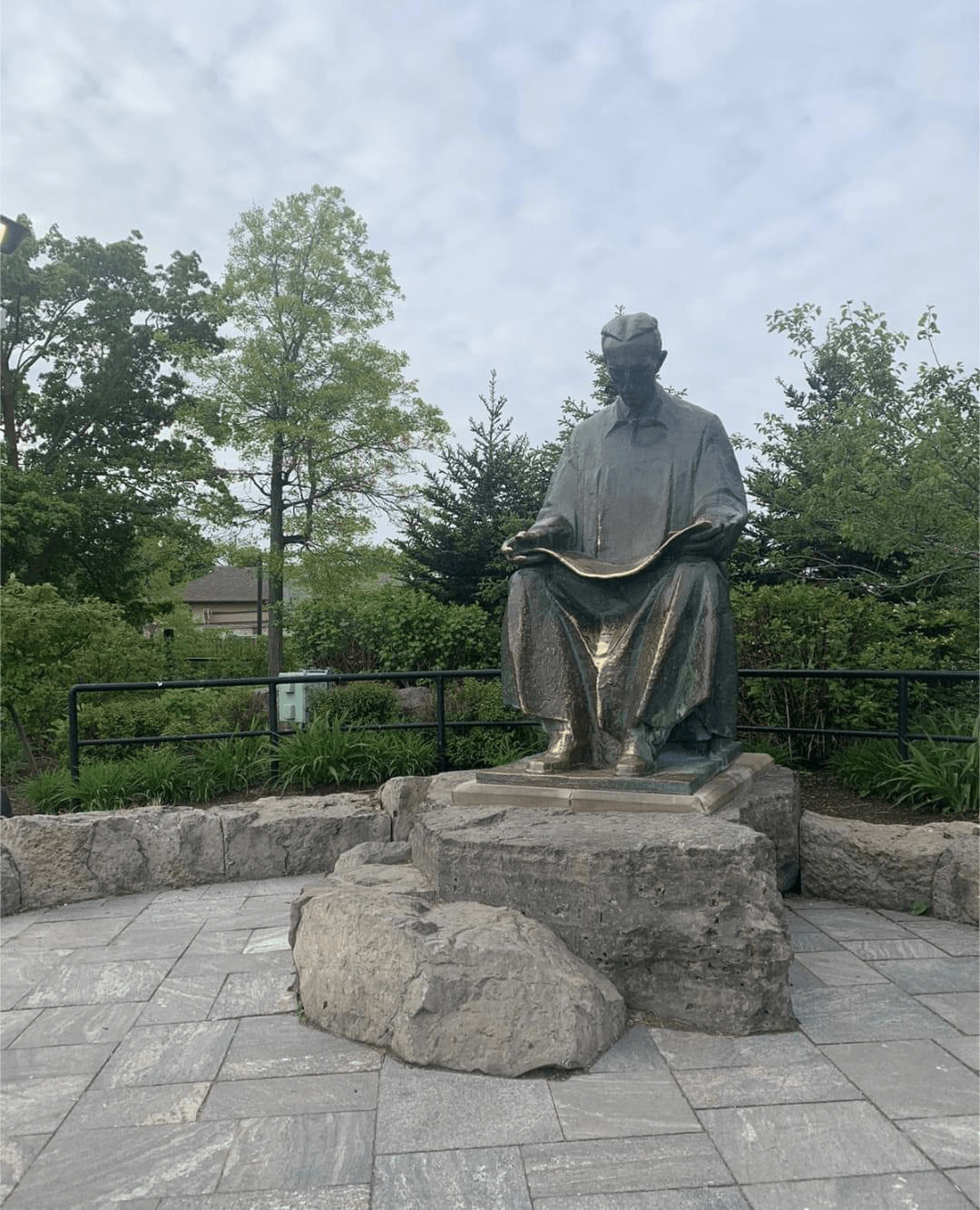




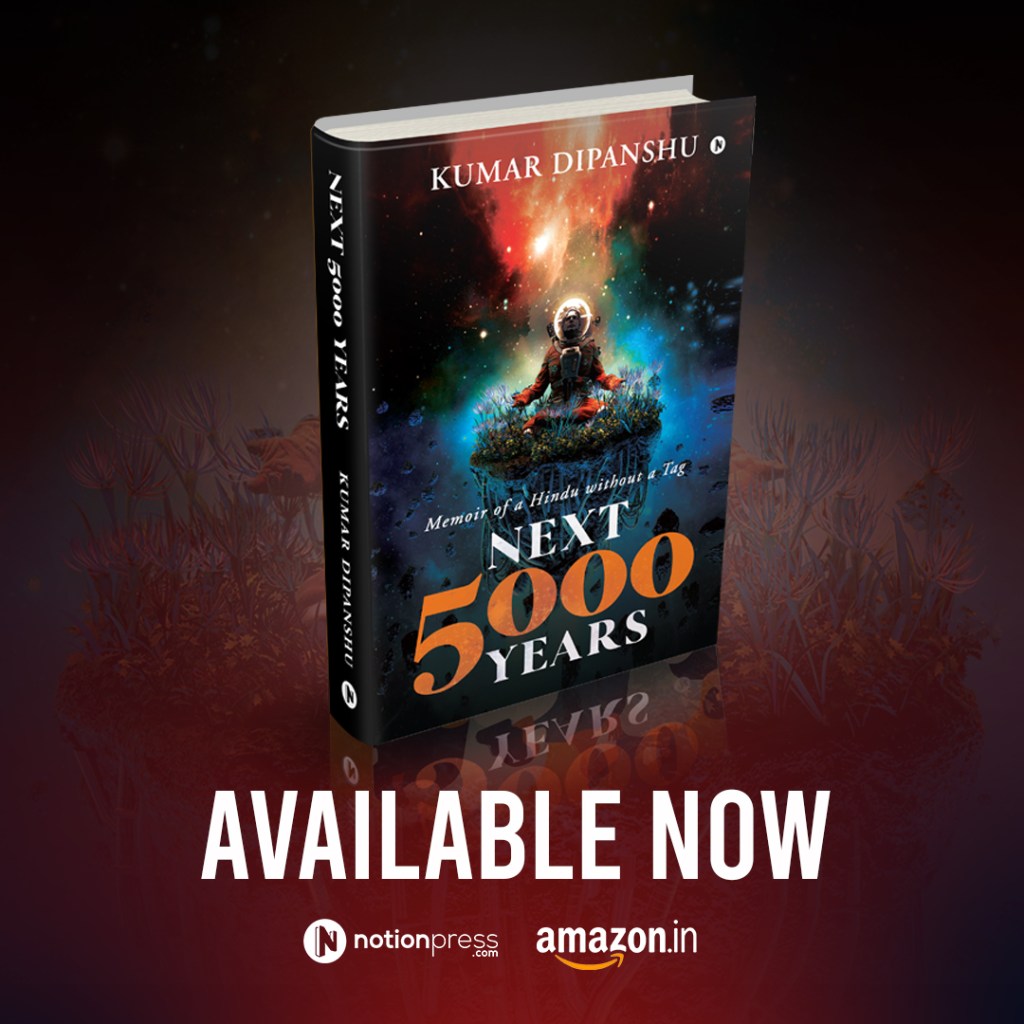





 APASMARA